Leaves Before People: The Wildly Obsessive World of Competitive Plant Collecting
Photo: InSapphoWeTrust from Los Angeles, California, USA, CC BY-SA 2.0, via Wikimedia Commons
Somewhere in Portland, Oregon, a woman named Courtney is arguing with a stranger on Facebook Marketplace about the correct price for a three-leaf cutting of a Monstera albo variegata. The stranger thinks $180 is reasonable. Courtney thinks that's an insult. The cutting, for context, is a piece of a plant. It does not have roots yet. It cannot photosynthesize at full capacity. It is, by most objective measures, a very small piece of vegetation in a plastic bag.
Courtney will spend $260 on it by the end of the day, and she will not regret this.
Welcome to the underground economy of the plant obsessive — a world where a single leaf can fetch more than a car payment, where Instagram grids are curated with the precision of a museum exhibition, and where the phrase "it's just a hobby" has never been less accurate.
How a Pandemic Pastime Became a Full-Blown Identity
The trajectory here is well-documented but still kind of astonishing. When the world locked down in 2020, people needed something to nurture, something to watch grow, something that would not cancel plans or disappoint them or require emotional labor in return. Plants were the obvious answer. Nurseries sold out. Propagation tutorials went viral. A generation of millennials who had been told they couldn't afford houses discovered they could at least afford a pothos.
But something happened on the way from "stress relief hobby" to "I have reorganized my entire apartment around light exposure." The community found the internet, and the internet did what it always does: it made everything competitive.
Facebook groups dedicated to rare plant trading now have hundreds of thousands of members. Some of the most active ones operate like informal stock exchanges — prices fluctuate based on availability, variegation quality, and the mysterious social capital of whoever is selling. Instagram accounts dedicated to single-plant collections regularly pull tens of thousands of followers. There are plant influencers with more engaged audiences than some mid-tier celebrities, and they are very serious about their leaf fenestration.
The Price of Rarity (Is Absolutely Unhinged)
Let's talk numbers, because the numbers are where this story gets genuinely surreal.
At the height of the 2021 plant boom, a single cutting of the Monstera deliciosa Thai Constellation — a lab-produced variegated variety that cannot be propagated from seed — was selling for upward of $700 on Etsy and eBay. A mature Philodendron spiritus sancti, considered the holy grail of aroids, has been listed for over $10,000. A Hoya carnosa compacta with particularly desirable coloring once sold at auction for more than some people's monthly rent.
The market has cooled somewhat since those fever-pitch days, but it hasn't normalized. Rare plants still command prices that would make a reasonable person do a double-take, and the community of collectors who pay those prices is entirely unbothered by your skepticism.
"People spend money on wine they drink in an evening, or sneakers they wear twice," said Marcus, a collector in Atlanta who estimates he has around 340 plants in his two-bedroom apartment. "At least my plants are alive. At least they grow."
Marcus has a dedicated grow tent, two humidifiers, and a spreadsheet tracking the growth rate of his most prized specimens. He is, he insists, a completely normal person.
The Psychology of Choosing Chlorophyll Over Company
Here's where plant collecting gets genuinely interesting from a human behavior standpoint — which is to say, here's where it gets a little bit uncomfortable.
Therapists and psychologists who work with younger adult clients have noted, with increasing frequency, the degree to which plants have become substitutes for traditional social connection. This isn't a clinical diagnosis; it's more of an observation about what people choose to talk about, what they prioritize, and where they direct their caregiving energy.
"I have clients who can tell me the exact watering schedule, humidity preference, and growth history of every plant in their home," said one therapist based in Seattle who works primarily with adults in their 20s and 30s. She asked not to be named but was refreshingly candid about the pattern. "They struggle to articulate what they need from the people in their lives with anywhere near that level of clarity."
This tracks, if you think about it. Plants are the ideal companion for an anxious, overstimulated generation. They require consistent care but don't demand anything back. They reward attention without generating conflict. They don't text you at 2 AM. They don't have opinions about your life choices. They simply grow — or, in a pinch, dramatically wilt in a way that is somehow still less emotionally exhausting than a difficult conversation.
The collector community, to its credit, is largely self-aware about this dynamic. Plant-focused Reddit threads are full of users joking about their "plant children," about preferring their monstera's company to most people's, about the specific comfort of a thriving leaf unfurling on a bad day. It's humor, but it's humor with a foundation of genuine feeling.
The Influencer Industrial Leafy Complex
No piece about the plant world would be complete without acknowledging the Instagram ecosystem that both reflects and amplifies the obsession.
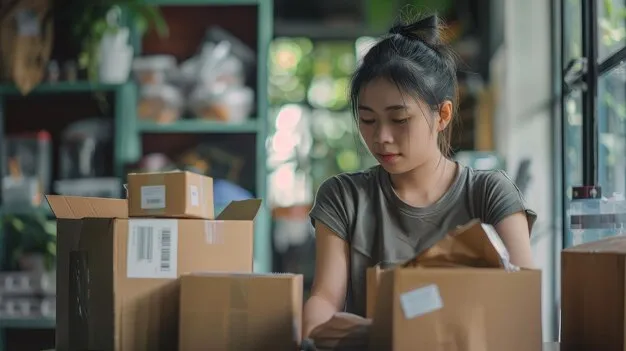
Plant influencers — and yes, that is a real job title that real people have — range from casual enthusiasts with a few thousand followers to full-time content creators with audiences in the hundreds of thousands. The aesthetic is distinct: bright, airy spaces drowning in greenery, carefully staged shots of new acquisitions, the obligatory "unboxing" video when a rare cutting arrives in the mail.
The drama, inevitably, is also real. The plant community has seen its share of feuds — accusations of misrepresenting variegation in listing photos, allegations of price gouging, the occasional scandal involving someone selling mislabeled cuttings to unsuspecting collectors. It has all the hallmarks of any passionate collector community: fierce loyalty, intense expertise, and an absolutely staggering capacity for interpersonal conflict over something most people would consider a low-stakes hobby.
"It gets heated," acknowledged Priya, a plant reseller in New Jersey who runs a side business sourcing rare aroids and selling them online. "People are spending real money. They have expectations. When something arrives damaged or doesn't look like the photo, it's not just a disappointment — it feels personal."
Feelings. About plants. Real, significant, occasionally furious feelings.
The Leaves Win
There is something genuinely touching about all of this, underneath the market speculation and the Facebook arguments and the grow tents humming away in studio apartments across America.
A generation navigating economic precarity, social fragmentation, and the relentless noise of modern life found something quiet and alive and theirs. They built communities around it. They developed expertise. They found meaning in the small, daily act of keeping something green.
Is it a little much? Sure. Is $260 for an unrooted cutting objectively bananas? Absolutely. But people have always found strange and wonderful ways to connect with the world and with each other.
Some of them just do it through a propagation station in their kitchen window.
Courtney's cutting, for the record, rooted beautifully. She named it Gerald. Gerald is doing great.